




















If you’re considering a sober curious lifestyle but aren’t sure where to start, or if you’re struggling with alcohol use and want to make a lasting change, First City Recovery can help. Our approach to recovery is holistic, addressing not just the physical aspects of sobriety, but also the mental, emotional, and spiritual dimensions of well-being. During this time, pay attention to how you feel physically, mentally, and emotionally. Notice any changes in your energy levels, mood, sleep, and social interactions. This self-observation can provide valuable insights Sober living house into how alcohol affects you and what benefits you might gain by drinking less.
Contact Resurgence Behavioral Health for Answers to Questions Like What Does Sober Curious Mean and Treatment Options

Holland’s non-alcoholic beer company, BERO, will be available in major US retailers starting this month. Sober curiosity can be a unique experience involving trying new things and stepping outside your comfort zone. “If I’m going to choose between drinking a $22 drink or paying rent, I’m probably gonna pay rent,” she explained. One Dallas-based content creator, Avon Nguyen, told “GMA” that cutting back on alcohol has also helped her financially. “You might not be 100% sober, but you are interested in drinking less,” Hilary Sheinbaum, author of the “Going Dry” workbook and guide to drinking less, told “Good Morning America.” Legal | Privacy PolicyInformation on this site is provided for informational purposes.
Create new habits
In other words, the sober-curious movement weaves the notion of mindfulness into the culture of boozing. Social media has played a significant role in spreading the sober curious movement. Celebrities, content creators and lifestyle advocates candidly talk about their stories about cutting back on alcohol, helping to popularize the choice to drink less.
A Note About Celebrating Without Alcohol
A researcher from the University College London found that after one Dry January, liver damage was reduced more than 12 percent. That study also found that resistance to insulin—a precursor to type 2 diabetes—came down 28 percent. There are numerous benefits of abstaining from alcohol, even if it’s just for a period of time—the longer the break, the better.
- AARP is a nonprofit, nonpartisan organization that empowers people to choose how they live as they age.
- “There are a variety of reasons, from their physical health to aspects of their mental or emotional health. Some people are noticing the consequences from drinking, so they want to make a change,” Dr. Sanchez said.
- Even elephants in the wild have been observed eating fermented fruit to get intoxicated.
- Additionally, many find that embracing the sober curious lifestyle helps them develop healthier coping mechanisms, fostering a more balanced and fulfilling life.
Some people do this for health or religious reasons, others due to personal or family experiences with addiction. On the other hand, being sober curious means reflecting on why, when and how you consume alcohol. It involves being curious about sobriety—usually for health and wellness reasons. Given the growing body of evidence against drinking, this should not come as a surprise. Alcohol poses long-term and serious risks, such as cardiovascular disease, diabetes, cancer, liver disease and mental health issues. A 2023 Canadian study found that even low levels of alcohol consumption can raise the risk of mortality.
There are many resources and communities available for those exploring reduced alcohol consumption. Online forums, social media groups, and local meetups can provide support and advice. These communities can be valuable for sharing experiences, offering encouragement, and discussing challenges. They can also be a great way to meet like-minded people and expand your social circle without the focus on alcohol. The sober curious lifestyle is not just a health trend — it’s become a cultural shift that’s gaining momentum for several reasons.
- “Sober curious” people often discuss the short-term physical benefits of less alcohol, including not feeling fatigued or unwell after drinking.
- “You might not be 100% sober, but you are interested in drinking less,” Hilary Sheinbaum, author of the “Going Dry” workbook and guide to drinking less, told “Good Morning America.”
- The sober curious method is a process of experimentation, where people might choose to take breaks from alcohol, try alcohol-free days, or even engage in temporary challenges like “dry months” (e.g., Dry January or Sober October).
- Someone who is sober curious may not meet the medical criteria for alcohol use disorder, or they may not intend to give up alcohol permanently.
- Drinks add up fast – especially when you’re treating yourself to that ‘just one more’ cocktail.


According to the World Health Organization, alcohol is linked to more than 200 health conditions, including cancer and liver disease. Across the Atlantic, a United Kingdom report found that consumers aged sober curious 20 to 24 are nearly half as likely to prioritize spending on alcoholic beverages for home consumption compared to those aged 75 and older. You don’t owe anyone an explanation for your choices, and you have the right to prioritize your well-being.
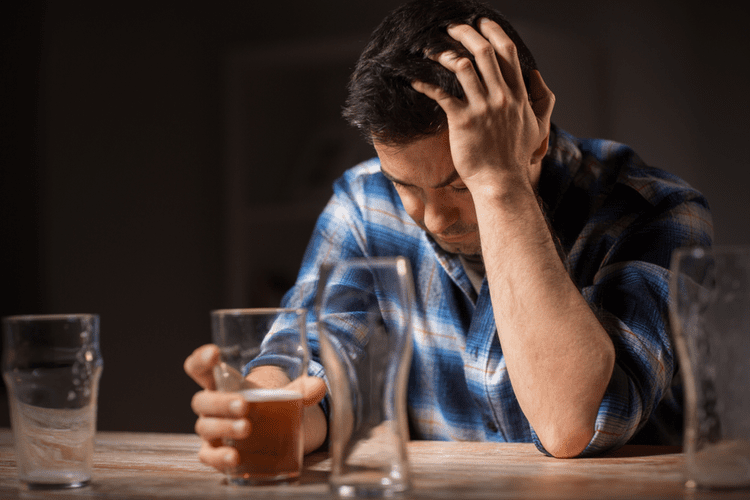

Some people choose to say they’re following a healthier diet, they’re the designated driver, or they have an early-morning wakeup. To stay on track with a sober curious experiment—either abstaining for a period or cutting back—take note of alcohol’s drawbacks. Meanwhile, alcohol inhibits healthy blood flow to your brain, which means it can’t work optimally. Research has also linked moderate alcohol consumption (1-7 drinks per week) with lower total brain volume.